The Importance of Emotional Intelligence
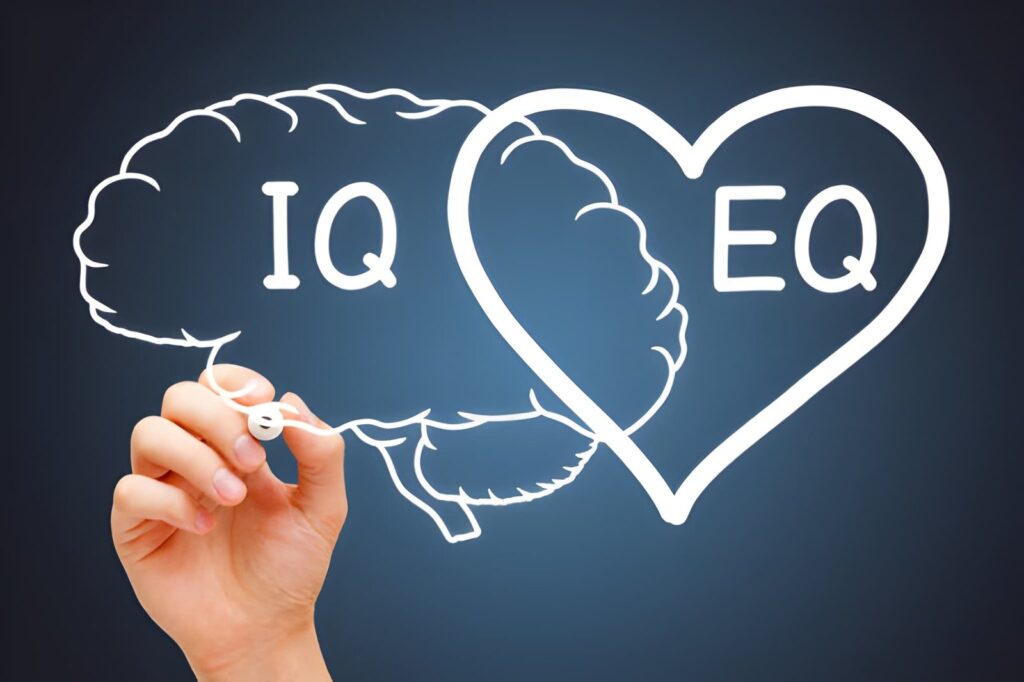
Success is often associated with intelligence, education, and technical skills. While these qualities are certainly valuable, there is another ability that can have a powerful influence on how people communicate, work, and build relationships: emotional intelligence. Emotional intelligence is the ability to understand and manage our own emotions while also recognizing and responding thoughtfully to the emotions of others.
In everyday life, people experience many different feelings. We may feel excited about an opportunity, frustrated by a problem, nervous before an important event, or disappointed when something does not go as planned. Emotional intelligence helps us handle these experiences in healthier and more productive ways. It can improve relationships, strengthen communication, and help people make better decisions.
Understanding Your Own Emotions
The first part of emotional intelligence is self-awareness. This means recognizing what we are feeling and understanding why we feel that way.
Sometimes, people react to situations without taking time to understand their emotions. A stressful day may cause someone to become impatient, even when the real problem has nothing to do with the person in front of them.
Self-awareness creates a pause between feeling and reacting. When people recognize their emotions, they can think more carefully about how to respond.
This skill can be especially useful during difficult conversations or stressful situations. Instead of immediately reacting, a person can take a moment, understand their feelings, and choose a more thoughtful response.
Managing Emotions Effectively
Emotional intelligence does not mean avoiding negative emotions. Everyone experiences frustration, anger, sadness, and disappointment. The important thing is learning how to manage these emotions rather than allowing them to control our actions.
Emotionally intelligent people understand that feelings are temporary and that they can choose how to respond.
For example, someone who receives criticism may initially feel upset. Instead of reacting defensively, they can take time to consider whether the feedback contains something useful.
Managing emotions does not mean hiding them. It means expressing feelings in ways that are respectful and constructive.
Understanding Other People
Another important part of emotional intelligence is empathy. Empathy means trying to understand what another person may be experiencing.
People do not always express their feelings directly. Someone who appears quiet may be worried, while someone who seems impatient may be dealing with stress.
Empathy encourages us to look beyond surface behavior and consider the situation from another person’s perspective.
This does not mean agreeing with everyone. It simply means making an effort to understand their point of view before responding.
Emotional Intelligence Improves Communication
Good communication involves more than choosing the right words. Tone, facial expressions, body language, and timing can all influence how a message is understood.
Emotional intelligence helps people become more aware of these factors. It allows them to notice when someone may be uncomfortable, confused, or upset.
This awareness can help prevent misunderstandings. A person may choose to explain something differently, ask a question, or give someone time to respond.
When people feel understood, communication often becomes more open and productive.
Building Stronger Relationships
Healthy relationships depend on trust, respect, and understanding. Emotional intelligence supports all three.
People who understand their own emotions are often better able to communicate their needs. Those who understand the emotions of others can respond with greater patience and empathy.
This applies to friendships, families, workplaces, and communities.
No relationship is free from disagreements. However, emotional intelligence can help people handle conflicts without allowing temporary emotions to destroy long-term connections.
Emotional Intelligence in the Workplace
Emotional intelligence is also valuable in professional environments. Workplaces bring together people with different personalities, backgrounds, and communication styles.
Employees with strong emotional awareness may find it easier to collaborate, handle feedback, and manage stressful situations.
For leaders, emotional intelligence is especially important. A leader who understands the concerns of team members can create a more supportive environment.
Instead of focusing only on tasks and results, emotionally intelligent leaders recognize the importance of motivation, trust, and team morale.
Better Decision-Making
Emotions can influence decisions, sometimes without us realizing it. Fear may cause someone to avoid an opportunity, while excitement may lead to an impulsive choice.
Emotional intelligence helps people recognize these influences. By understanding their emotional state, they can separate feelings from facts and consider situations more objectively.
This does not mean ignoring emotions. Feelings can provide useful information. The goal is to combine emotional awareness with logical thinking.
Emotional Intelligence Can Be Developed
One of the most encouraging things about emotional intelligence is that it can improve over time.
People can develop it by practicing active listening, reflecting on their reactions, asking for feedback, and becoming more aware of how their behavior affects others.
Even simple habits can help. Taking a moment before responding to a difficult message, listening without interrupting, or considering another person’s perspective can gradually strengthen emotional skills.
Like any ability, emotional intelligence improves through consistent practice.
Conclusion
Emotional intelligence is an important skill that influences nearly every part of life. It helps people understand themselves, manage emotions, communicate effectively, build stronger relationships, and respond to challenges with greater maturity.
In a world where people constantly interact with one another, technical knowledge alone is not always enough. The ability to understand emotions and treat others with empathy can make a meaningful difference.
Developing emotional intelligence does not require becoming emotionless or avoiding difficult feelings. Instead, it means learning to recognize emotions, understand their influence, and respond thoughtfully.
The more emotionally intelligent we become, the better equipped we are to handle life’s challenges and connect with the people around us. Ultimately, emotional intelligence reminds us that success is not only about what we know or what we achieve. It is also about how we understand ourselves, how we treat others, and how we choose to respond when life does not go according to plan.