TWU Blog

Sample Page

Author: admin

  • Understanding Workplace Innovation

    Understanding Workplace Innovation

    Workplace innovation has become one of the most important factors in business success and employee growth. As industries evolve and technology advances, organizations must continuously improve the way they work to remain competitive. Workplace innovation is not only about introducing new technology—it also involves improving processes, encouraging creativity, and developing better ways for people to collaborate. Companies that embrace innovation often become more productive, adaptable, and successful. At the same time, employees benefit by gaining new skills, solving problems creatively, and contributing to meaningful improvements. Understanding workplace innovation helps individuals and organizations prepare for the future while creating environments where both people and businesses can thrive.

    What Is Workplace Innovation?

    Workplace innovation refers to introducing new ideas, methods, or technologies that improve the way work is performed. It involves finding smarter and more efficient ways to complete tasks while increasing productivity and employee satisfaction.

    Innovation can be as simple as improving communication between teams or as advanced as implementing digital tools that automate repetitive tasks. The goal is always to create positive change and improve overall performance.

    Successful innovation focuses on making work easier, more effective, and more rewarding for everyone involved.

    The Role of Technology in Innovation

    Technology plays a major role in transforming modern workplaces. Digital platforms, cloud computing, video conferencing, and project management software have made collaboration faster and more efficient.

    Employees can now communicate instantly, share information securely, and work together regardless of their location. These technological improvements increase productivity while allowing businesses to operate more effectively.

    Organizations that embrace new technologies are often better prepared for future challenges.

    Encouraging Creative Thinking

    Innovation begins with creativity. Employees who feel comfortable sharing ideas are more likely to develop solutions that improve products, services, and workplace processes.

    Creative thinking allows teams to identify opportunities that may otherwise be overlooked. Even small improvements can lead to significant long-term benefits.

    Companies that encourage brainstorming and open discussions create environments where innovation naturally grows.

    Building a Collaborative Workplace

    Collaboration is one of the foundations of workplace innovation. When employees from different backgrounds and departments work together, they bring unique perspectives and experiences.

    Sharing knowledge helps teams solve problems more effectively and generate fresh ideas. Collaboration also strengthens relationships and creates a culture of mutual support.

    Successful innovation often results from teamwork rather than individual effort.

    The Importance of Continuous Learning

    Learning is essential for maintaining innovation in the workplace. As industries change, employees need to update their knowledge and develop new skills to remain effective.

    Training programs, workshops, online courses, and mentoring opportunities help professionals stay informed about industry developments.

    Organizations that invest in employee learning create a workforce that is prepared to embrace change and contribute innovative ideas.

    Improving Problem-Solving Skills

    Every workplace faces challenges that require creative and practical solutions. Innovation encourages employees to analyze situations carefully and develop better approaches to solving problems.

    Rather than relying on traditional methods, innovative workplaces encourage experimentation and continuous improvement.

    Strong problem-solving skills increase productivity and help organizations adapt to changing circumstances.

    Creating a Positive Work Environment

    Innovation flourishes in workplaces where employees feel respected, motivated, and supported. Positive environments encourage open communication, trust, and cooperation.

    When people believe their ideas are valued, they become more confident in contributing suggestions and participating in improvement efforts.

    A healthy workplace culture strengthens employee engagement and encourages continuous innovation.

    Adapting to Change

    Change is a natural part of every successful organization. Markets evolve, customer expectations shift, and technology continues to advance.

    Employees who are adaptable can quickly learn new systems, accept different responsibilities, and remain productive during periods of change.

    Adaptability allows both individuals and businesses to remain competitive in an evolving marketplace.

    Leadership Supports Innovation

    Effective leaders play a key role in encouraging workplace innovation. They create environments where employees feel comfortable taking initiative and exploring new ideas.

    Leaders who welcome feedback and recognize creative contributions inspire greater participation from their teams.

    Supportive leadership helps transform innovative ideas into practical improvements that benefit the entire organization.

    Preparing for the Future of Work

    The future workplace will continue to evolve as technology and global collaboration expand. Organizations that embrace innovation today will be better prepared for tomorrow’s opportunities and challenges.

    Employees who develop creative thinking, communication, and digital skills will remain valuable as workplaces continue to change.

    Innovation is not a one-time achievement but an ongoing process of learning, improving, and adapting.

    Conclusion

    Workplace innovation is essential for creating successful organizations and rewarding careers. By encouraging creativity, embracing technology, supporting continuous learning, and promoting collaboration, businesses can improve productivity and remain competitive in a rapidly changing world. Employees also benefit by developing valuable skills, increasing confidence, and contributing meaningful ideas. Innovation is not limited to major inventions or advanced technology—it begins with the willingness to improve everyday work. As industries continue to evolve, organizations and individuals who embrace innovation will be better prepared to achieve long-term growth, success, and lasting positive change.
  • The Importance of Emotional Intelligence

    The Importance of Emotional Intelligence

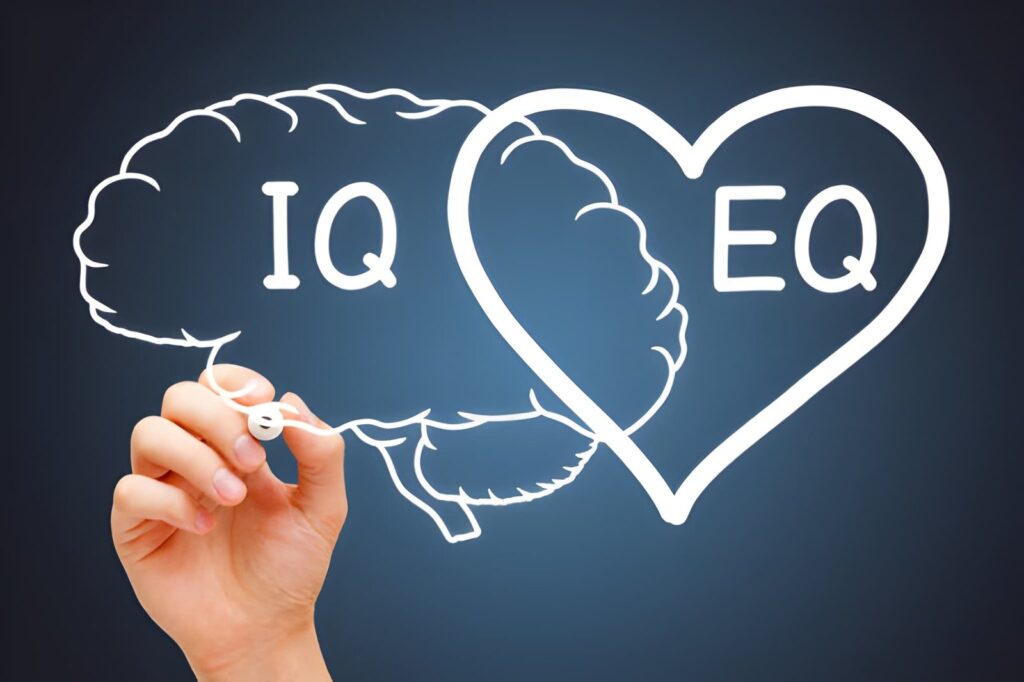
    Success is often associated with intelligence, education, and technical skills. While these qualities are certainly valuable, there is another ability that can have a powerful influence on how people communicate, work, and build relationships: emotional intelligence. Emotional intelligence is the ability to understand and manage our own emotions while also recognizing and responding thoughtfully to the emotions of others.

    In everyday life, people experience many different feelings. We may feel excited about an opportunity, frustrated by a problem, nervous before an important event, or disappointed when something does not go as planned. Emotional intelligence helps us handle these experiences in healthier and more productive ways. It can improve relationships, strengthen communication, and help people make better decisions.

    Understanding Your Own Emotions

    The first part of emotional intelligence is self-awareness. This means recognizing what we are feeling and understanding why we feel that way.

    Sometimes, people react to situations without taking time to understand their emotions. A stressful day may cause someone to become impatient, even when the real problem has nothing to do with the person in front of them.

    Self-awareness creates a pause between feeling and reacting. When people recognize their emotions, they can think more carefully about how to respond.

    This skill can be especially useful during difficult conversations or stressful situations. Instead of immediately reacting, a person can take a moment, understand their feelings, and choose a more thoughtful response.

    Managing Emotions Effectively

    Emotional intelligence does not mean avoiding negative emotions. Everyone experiences frustration, anger, sadness, and disappointment. The important thing is learning how to manage these emotions rather than allowing them to control our actions.

    Emotionally intelligent people understand that feelings are temporary and that they can choose how to respond.

    For example, someone who receives criticism may initially feel upset. Instead of reacting defensively, they can take time to consider whether the feedback contains something useful.

    Managing emotions does not mean hiding them. It means expressing feelings in ways that are respectful and constructive.

    Understanding Other People

    Another important part of emotional intelligence is empathy. Empathy means trying to understand what another person may be experiencing.

    People do not always express their feelings directly. Someone who appears quiet may be worried, while someone who seems impatient may be dealing with stress.

    Empathy encourages us to look beyond surface behavior and consider the situation from another person’s perspective.

    This does not mean agreeing with everyone. It simply means making an effort to understand their point of view before responding.

    Emotional Intelligence Improves Communication

    Good communication involves more than choosing the right words. Tone, facial expressions, body language, and timing can all influence how a message is understood.

    Emotional intelligence helps people become more aware of these factors. It allows them to notice when someone may be uncomfortable, confused, or upset.

    This awareness can help prevent misunderstandings. A person may choose to explain something differently, ask a question, or give someone time to respond.

    When people feel understood, communication often becomes more open and productive.

    Building Stronger Relationships

    Healthy relationships depend on trust, respect, and understanding. Emotional intelligence supports all three.

    People who understand their own emotions are often better able to communicate their needs. Those who understand the emotions of others can respond with greater patience and empathy.

    This applies to friendships, families, workplaces, and communities.

    No relationship is free from disagreements. However, emotional intelligence can help people handle conflicts without allowing temporary emotions to destroy long-term connections.

    Emotional Intelligence in the Workplace

    Emotional intelligence is also valuable in professional environments. Workplaces bring together people with different personalities, backgrounds, and communication styles.

    Employees with strong emotional awareness may find it easier to collaborate, handle feedback, and manage stressful situations.

    For leaders, emotional intelligence is especially important. A leader who understands the concerns of team members can create a more supportive environment.

    Instead of focusing only on tasks and results, emotionally intelligent leaders recognize the importance of motivation, trust, and team morale.

    Better Decision-Making

    Emotions can influence decisions, sometimes without us realizing it. Fear may cause someone to avoid an opportunity, while excitement may lead to an impulsive choice.

    Emotional intelligence helps people recognize these influences. By understanding their emotional state, they can separate feelings from facts and consider situations more objectively.

    This does not mean ignoring emotions. Feelings can provide useful information. The goal is to combine emotional awareness with logical thinking.

    Emotional Intelligence Can Be Developed

    One of the most encouraging things about emotional intelligence is that it can improve over time.

    People can develop it by practicing active listening, reflecting on their reactions, asking for feedback, and becoming more aware of how their behavior affects others.

    Even simple habits can help. Taking a moment before responding to a difficult message, listening without interrupting, or considering another person’s perspective can gradually strengthen emotional skills.

    Like any ability, emotional intelligence improves through consistent practice.

    Conclusion

    Emotional intelligence is an important skill that influences nearly every part of life. It helps people understand themselves, manage emotions, communicate effectively, build stronger relationships, and respond to challenges with greater maturity.

    In a world where people constantly interact with one another, technical knowledge alone is not always enough. The ability to understand emotions and treat others with empathy can make a meaningful difference.

    Developing emotional intelligence does not require becoming emotionless or avoiding difficult feelings. Instead, it means learning to recognize emotions, understand their influence, and respond thoughtfully.

    The more emotionally intelligent we become, the better equipped we are to handle life’s challenges and connect with the people around us. Ultimately, emotional intelligence reminds us that success is not only about what we know or what we achieve. It is also about how we understand ourselves, how we treat others, and how we choose to respond when life does not go according to plan.

  • Hello world!

    Welcome to WordPress. This is your first post. Edit or delete it, then start writing!